Mortar is far more than the material holding bricks together. With around 15% of a typical brick façade made up of mortar joints, its colour, texture and finish can dramatically change the architectural result.
From crisp shadow lines to softer, weathered surfaces, the mortar finish can dramatically change the character of brickwork.
01 | Raked Mortar | Clean Lines, Defined Shadows
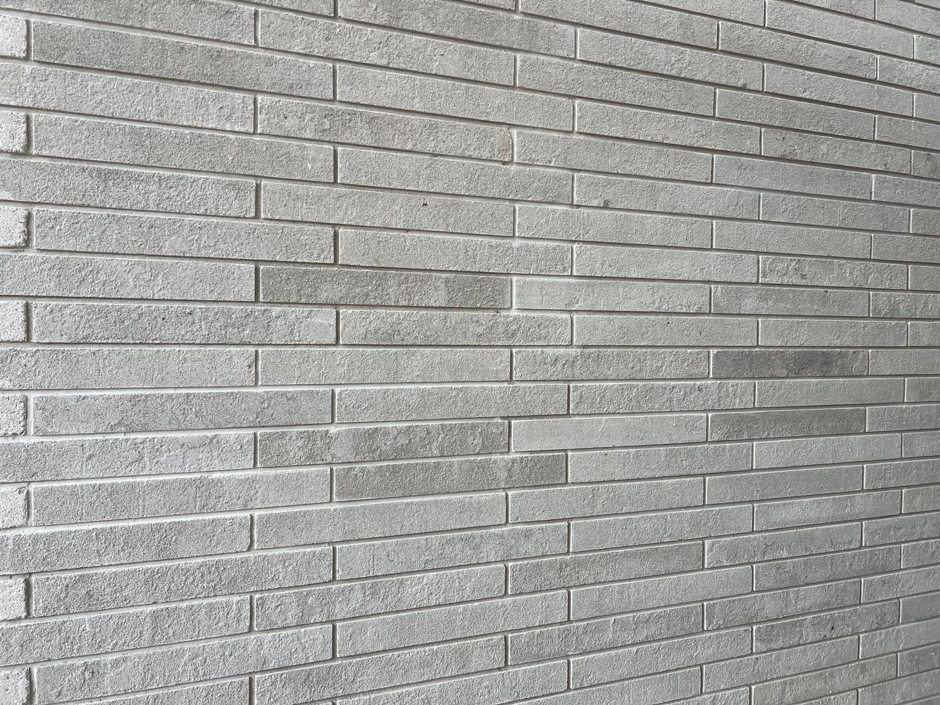
Raked Premier White Mortar with Vintage Chateau White 542 x 70 x70 Brick
Our most specified and recommended finish.
Mortar is recessed approximately 4mm behind the brick face, creating crisp shadow lines that emphasise the shape and proportions of individual bricks.
Particularly effective with long-format bricks such as Chateau and Modena, where the recessed joints reinforce the horizontal lines of the design.
02 | Rolled Mortar | Smooth and Tooled
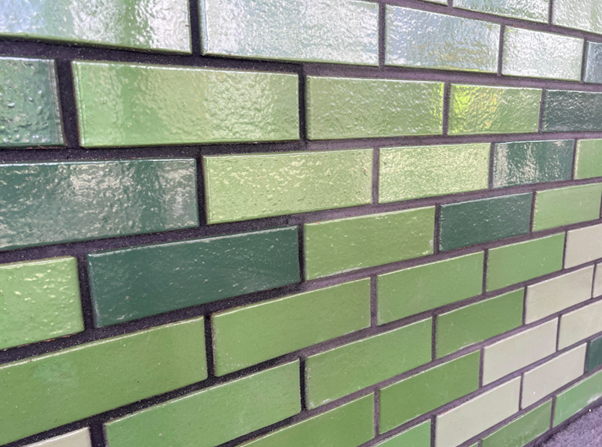
Mortar colour testing half black, half charcoal on custom Premier Glazed Brick (230x76x70)
A traditional finish where mortar is compacted and smoothed using a curved jointing tool, creating a shallow concave profile.
Other traditional tooled finishes include weather-struck joints, which have an angled face designed to encourage water runoff.
While these are established masonry techniques, we generally discourage their use with Premier Brick. Differences in tooling pressure, timing and moisture can contribute to uneven mortar colour as it cures, creating unwanted variation across the façade.
03 | Flush Mortar | Clean Finish
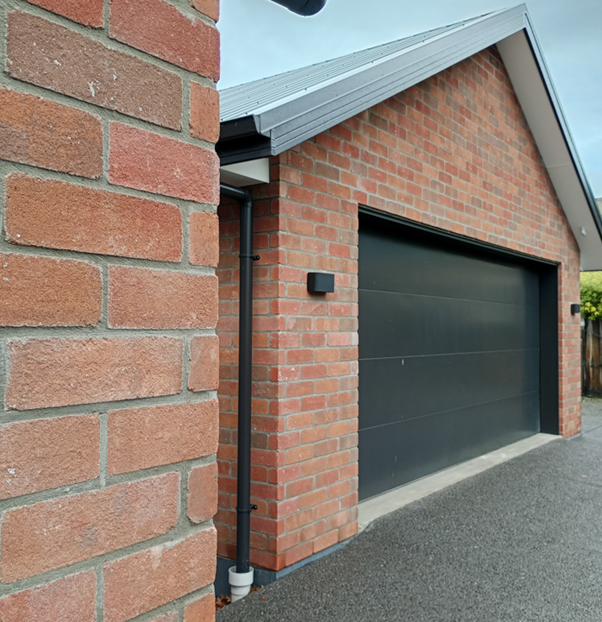
Mortar is finished level with the brick face, with excess material removed to leave the bricks clean.
Without the pronounced shadow lines of a raked joint, the brickwork takes on a softer, more continuous appearance. Particularly effective with closely matched brick and mortar colours, creating a refined, understated finish.
04 | Flush Mortar | Brushed Finish
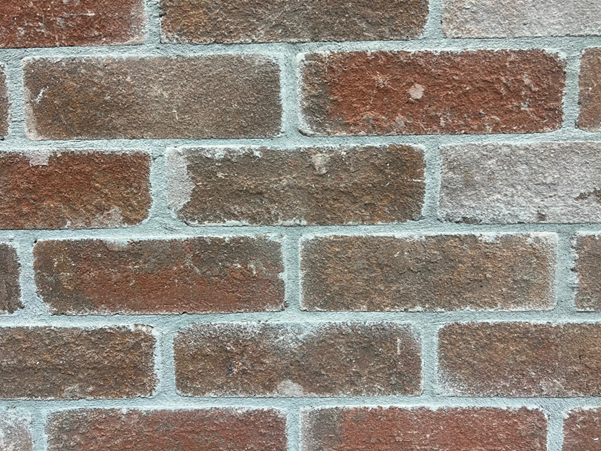
A more relaxed, deliberately imperfect finish, where mortar is brushed across the brick faces rather than completely removed.
This softens the joint lines and leaves a textured, sometimes messy appearance reminiscent of aged or reclaimed brickwork.
The extent of mortar coverage can vary considerably, from a light dusting to a heavily weathered effect. A sample panel is strongly recommended to establish the intended appearance.
Why Pre-Bagged Mortar Matters
While the finish receives much of the attention, the quality and consistency of the mortar itself are equally important.
Traditional site-mixed mortar relies on accurately proportioning sand, cement, water and any colour pigments. Sand can vary considerably between sources, affecting both colour and performance. Poorly sourced or contaminated sands can also introduce soluble salts, contributing to efflorescence and unwanted surface discolouration.
These are not uncommon issues. In our experience, poorly controlled site mixes are among the most frequent causes of remedial work on finished brick veneers.
We strongly recommend using a quality pre-bagged mortar, where material selection and batching are controlled to achieve more reliable colour, strength and consistency.
Premier Group offers colour-matched pre-bagged mortars in White, Natural and Ironstone, although the important consideration is using a reputable pre-bagged product, regardless of supplier.
A Few Technical Considerations
Premier Brick’s technical specification allows for some flexibility in joint dimensions:
- Standard joint width: 10mm preferred.
- Permitted joint widths: 7–16mm, with a tolerance of ±2mm from the specified dimension.
- Raked joint depth: 4mm standard, with a maximum permitted depth of 6mm.
Consistency in mortar mixing, moisture control and finishing technique remains essential, even when using pre-bagged products.
Ultimately, mortar should be considered alongside brick colour, format and laying pattern from the outset. A well-chosen finish, correctly specified and applied, makes an enormous difference to the finished architecture.