That White Powder on Your Bricks: What It Is and How to Stop It!
Ever noticed a weird white powder creeping across your bricks, concrete, or pavers? You’re not alone. That chalky residue is called efflorescence, and while it’s not a structural nightmare, it is a sign that something’s up with moisture in your walls or walkways. The good news? You can deal with it—and stop it from coming back!
What Is Efflorescence?
Efflorescence is a white, powdery, or crystalline deposit that appears on the surface of materials like concrete, brick, stone, or masonry. It is caused by water moving through a porous material and carrying dissolved salts to the surface. Once the water evaporates, the salts are left behind, creating the visible white residue.
The Science Behind Efflorescence
The process of efflorescence begins at the molecular level. Water, often containing dissolved carbon dioxide, infiltrates porous materials and dissolves mineral salts present in the material or surrounding environment. These salts include calcium carbonate, sodium sulfate, potassium carbonate, and magnesium sulfate.
When the water reaches the surface and evaporates, the dissolved salts crystallize, leaving behind the characteristic white deposits. This process is accelerated in humid environments and can be exacerbated by factors like temperature fluctuations and pressure differentials that push moisture through the material.
Causes of Efflorescence:
✅ Moisture Penetration – Water enters the material through rain, groundwater, or condensation.
✅ Soluble Salts – The material contains salts that dissolve in water, often sourced from cement, mortar, or surrounding soil.
✅ Evaporation & Capillary Action – Water moves to the surface through capillary action, bringing dissolved salts with it. As the water evaporates, the salts crystallize and become visible.
✅ Temperature & Humidity Fluctuations – Changes in environmental conditions can drive moisture movement and accelerate efflorescence formation.
🚨 Common Misconceptions:
❌ “It’s mould!” Nope. Efflorescence is salt-based, not organic.
❌ “It means my walls are crumbling.” Not necessarily. It’s often just a cosmetic issue—but it does mean moisture is present, which could lead to bigger problems if ignored.
❌ “I can just paint over it.” Nice try, but moisture will push through and ruin the paint job. Fix the root cause first!
Why Should You Care?
Sure, efflorescence isn’t dangerous, but it can:
✅ Make your home or business look neglected and run-down.
✅ Lower curb appeal when selling a house.
✅ Indicate water issues that could worsen over time.
✅ Affect historic or commercial buildings if left unchecked.
How to Get Rid of Efflorescence
Ready to say goodbye to that unsightly white residue? Here’s your battle plan:
1️⃣ Dry Brush It Off – Use a stiff-bristled brush to remove loose deposits. Easy win!
2️⃣ Rinse with Vinegar & Water – A 1:1 mix of white vinegar and water dissolves light efflorescence.
3️⃣ Pressure Wash (Carefully!) – A low-pressure setting can blast away deposits, but don’t overdo it or you’ll damage the surface.
4️⃣ Use a Commercial Cleaner – If it’s stubborn, specialized efflorescence removers can help.
5️⃣ Premier Acid Wash (Last Resort!) – ⚠️ Do NOT attempt to use Premier Acid Wash without contacting us first for proper instructions! Improper use can damage your surfaces or pose safety risks. Reach out to us before proceeding.
💡 Pro Tip: Always test a small, hidden area first before going full force with any cleaning method!
📢 Before attempting to remove efflorescence, contact us for more information. We can also recommend trusted professionals to help you get the job done right!
How to Prevent Efflorescence from Coming Back
Efflorescence is like a bad habit—it’ll keep showing up unless you cut off the source! Here’s how:
✅ Fix Water Issues – Improve drainage, fix leaks, and keep gutters clear.
✅ Seal It Up – Use a breathable masonry sealer to prevent moisture infiltration.
✅ Use Quality Materials – Low-salt bricks, concrete, and mortar reduce the chance of efflorescence.
✅ Improve Ventilation – If it’s inside, make sure airflow is keeping things dry.
✅ Proper Curing – Allow new masonry to dry completely before exposing it to moisture.
DIY or Call a Pro?
How do you know if you can tackle this yourself or if you need an expert? Here’s a quick guide:
🛠 DIY Fix:
✅ Light efflorescence that brushes off easily
✅ Small patches in dry areas
✅ No cracks, leaks, or major water damage
🚨 Call a Pro:
❌ Efflorescence keeps coming back despite cleaning
❌ Large areas affected
❌ Water damage, cracks, or mold present
❌ Structural concerns in walls or foundation
📢 Not sure what to do? Reach out to us for expert advice and recommendations on professional services!
Final Thoughts: Don’t Ignore the Signs!
Efflorescence might just be a cosmetic nuisance, but it’s also a warning sign from your building: “Hey, there’s moisture here!” Pay attention, fix the underlying issue, and you’ll keep your home, business, or historic building looking sharp for years to come.
Have you battled efflorescence before? What worked for you? Drop a comment below and let’s compare notes! 💬👇
Written by Bernard Powell – Brick Consultant
Premier Brick NZ
Spacing is now properly formatted while keeping everything else intact. Let me know if you need any other refinements!
At Premier Brick we are always seeking to educate and inform our clients better and faster and at a deeper level!
Dark coloured bricks have definitely been on trend in recent years but in our view they are much more trouble than they are worth!
Sure, there are some great looking homes out there with black and Charcoal brick but for every nice looking house there seem to be 9 shockers!
In the below article I lay out some of the problems and challenges that you are likely to encounter if you choose to go down this route.
Black and charcoal-coloured bricks have become a major trend in modern architecture. They create a sleek, bold, and high-contrast look that many designers and homeowners love. But while they look incredible in a showroom or a freshly built display home, the reality of maintaining black and charcoal bricks is far more challenging than most people realize.
From efflorescence and staining to dust buildup, scratches, and mortar inconsistencies, these bricks have some serious drawbacks that can make them a maintenance nightmare. If you’re thinking about going for a dark brick exterior, here’s what you need to know before making a decision you might regret.
1️. Higher Installation Costs & Limited Availability
Black and charcoal bricks are often considered a premium product, making them more expensive than standard red or tan bricks. Some brick manufacturers don’t stock them in large quantities, leading to potential supply chain issues and longer wait times.
These bricks require more careful handling during transport and installation to avoid marks and scratches, which further increases costs and slows down the building process.
2️. Longer Curing Time for Mortar Joints
Because black bricks absorb so much heat, the mortar can dry too quickly in hot weather, which can lead to cracking, shrinkage, and weaker joints. If laid in cooler weather, they hold moisture longer, increasing efflorescence risk.
3️. They Can Look Dated Over Time
While trendy now, black bricks might not age well. Architectural styles shift, and what looks ultra-modern today may look harsh or uninviting in a decade.
4️. They Absorb Heat Like Crazy
Darker colours absorb far more heat than lighter ones, and black bricks are no exception. On a hot day, black bricks can reach scorching temperatures, radiating heat into the home and making indoor spaces uncomfortably warm.
🔥 Higher cooling costs – Expect to run your air conditioning more often, leading to increased energy bills.
🔥 Temperature swings – Even in cooler climates, black bricks hold onto heat for longer, impacting indoor comfort.
🔥 Surface burns – On extremely hot days, black bricks can become dangerously hot to the touch, posing a safety risk for kids and pets.
5️. They Show Efflorescence Worse Than Any Other Brick Colour
One of the biggest issues with black and charcoal bricks is how badly they show efflorescence—the unsightly white, powdery residue that appears on brickwork.
Efflorescence occurs when moisture in the bricks and mortar carries dissolved salts to the surface. When the water evaporates, it leaves behind a chalky white deposit, which stands out dramatically on dark bricks.
This problem is often caused by:
💧 Moisture in the mortar joints – New brickwork contains excess water, which draws salts to the surface as it evaporates.
💧 Groundwater absorption – Poor drainage or improper sealing can lead to bricks pulling up moisture from the soil.
💧 Rain and humidity exposure – Water washing through the brickwork can react with minerals inside, creating more efflorescence.
While efflorescence is not structurally damaging, it’s an aesthetic nightmare that can require constant cleaning, chemical treatments, or sealing to manage. And unfortunately, it often keeps coming back unless the moisture issue is fully resolved.
6️. They Highlight Magnesium and Iron Bleed Stains
In addition to efflorescence, black bricks are also notorious for showing magnesium and iron bleed stains, which can be even harder to remove.
🟠 Magnesium Staining – This appears as milky white or grey streaks, often in areas where water exposure is high. It’s caused by magnesium-rich water reacting with the brick surface, leaving behind a stubborn, cloudy residue.
🟠 Iron Bleed (Rust Stains) – Many bricks naturally contain iron. When moisture interacts with iron particles in the brick or the mortar, rust-coloured stains can appear. This is especially common near mortar joints, weep holes, or anywhere metal components (like ties and fasteners) are present.
These stains can be extremely difficult to remove, often requiring acidic cleaners or special treatments. Unfortunately, aggressive cleaning methods can also damage the brick surface, making future staining even worse.
7️. They Show Cobwebs, Dust, and Grime More Than Other Bricks
One of the unexpected downsides of black and charcoal bricks is how badly they attract and highlight dust, cobwebs, and grime.
🕸️ Cobwebs become highly visible – Spiders love textured surfaces, and dark bricks provide the perfect backdrop for cobwebs to stand out. What might be invisible on a lighter-coloured brick sticks out like a sore thumb on black bricks.
🌬️ Dust buildup is obvious – In dry, windy areas, black bricks quickly develop a layer of dust, dulling their sleek appearance. Unlike lighter bricks, which can disguise some of this buildup, dark bricks make every speck of dust visible.
🌧️ Water stains and streaks appear more pronounced – Rain and water runoff can leave noticeable streaks, making regular cleaning essential.
8️. Poor Performance in Cold Climates
🌡️ Black bricks expand and contract more in extreme temperatures, leading to cracks and long-term structural issues.
🌨️ Freeze-thaw cycles cause spalling, where water trapped in bricks freezes, expands, and causes them to flake apart.
Are Black and Charcoal Bricks Worth It?
While black bricks make a bold design statement, they come with serious drawbacks, including:
❌ High heat absorption
❌ Extreme visibility of efflorescence, stains, and scuff marks
❌ Dust, cobweb, and water streaking issues
❌ Difficult maintenance and cleaning
❌ Potential long-term fading and aging concerns
❌ Higher handling and installation costs due to marking and scratching risks
Alternatives to Consider
✅ Darker-toned bricks with a textured surface
✅ Mid-tone grey bricks with dark accents
✅ High-quality UV-resistant coatings
Would you still choose black bricks, or do these challenges change your mind? Let us know in the comments below! ⬇️
Written by Bernard Powell – Brick Consultant
Premier Group NZ
The Cost of Traditional Decking: Why Kiwis Are Looking for Alternatives
If you’re planning a new deck but shocked by the skyrocketing prices, you’re not alone. Traditionally, Kiwis have loved timber decks—there’s something about the warmth of natural wood that makes an outdoor space feel inviting. However, with material and labour costs climbing higher each year, even the most basic timber decks are now costing a small fortune.
Let’s break down the numbers:
- Pine decking: One of the most affordable timber options, yet even this will set you back anywhere from $280 to $320 per m², supplied and installed.
- Kwila decking: A premium hardwood choice that many Kiwis love for its rich, warm colour—but be prepared to pay up to $500 per m²!
- Composite decking: Marketed as a “low-maintenance” alternative to natural timber, but the cost is staggering—some composite decks are now pushing $1,200 per m²!
With prices like these, it’s no wonder that more and more Kiwi homeowners are looking for a smarter, more affordable alternative.
A Stunning, Affordable Alternative: Porcelain Paving
At Premier Group NZ, we believe in helping homeowners get top-quality outdoor spaces without breaking the bank. We know how important it is to have a beautiful, functional deck area that enhances your home, without the stress of ongoing maintenance and high costs.
That’s why we’ve spent the last few years introducing thousands of homeowners, landscapers, and builders to the timeless beauty and practicality of porcelain paving—a solution that delivers a high-end look at a fraction of the cost of traditional decking.
What Are Porcelain Pavers?
Porcelain pavers are premium outdoor tiles that provide the perfect blend of beauty, durability, and affordability. Our pavers are:
✅ 600x600x20mm pavers – perfect for sleek, modern outdoor spaces.
✅ Slip-resistant – no more worrying about dangerous, slippery decks when it rains!
✅ Non-fading – unlike timber, which requires regular staining and maintenance.
✅ Extremely durable – so strong that we offer a 100-year warranty!
✅ Low maintenance – no need for water blasting, painting, or staining—just a simple clean now and then.
✅ Available in a huge range of colours and textures – whether you prefer a contemporary, modern look or a more natural aesthetic, there’s a porcelain paver to suit your style.
✅ Designed to replicate natural stone – get the luxurious look of travertine, granite, limestone, or even marble—at a fraction of the cost!
✅ Woodgrain-look porcelain available! – Love the look of timber but hate the maintenance? Our woodgrain-look porcelain pavers (1200mm x 300mm x 20mm) give you the warmth and charm of real wood without fading, rotting, or ongoing upkeep!
And the best part? Porcelain paving can be installed for as little as $200 per m² in many regions! That’s nearly half the cost of a timber deck.
Porcelain Paving vs. Timber Decking: The Clear Winner
Still on the fence? Let’s compare the two options side by side:
Feature
Porcelain Paving
Timber Decking
Warranty
✅ 100 years
❌ None
Slip Rating
✅ High (safe even when wet)
❌ Can be dangerously slippery
Fading
✅ No fading
❌ Will fade in sun and weather
Maintenance
✅ Almost zero
❌ Needs water blasting, staining, painting
Durability
✅ Resistant to cracking, scratching, and stains
❌ Prone to wear, warping, and rot
Cost
✅ From $200 per m² installed
❌ $280–$1,200 per m² installed
Colour & Texture Variety
✅ Wide selection
❌ Limited to natural wood tones
Natural Stone Look
✅ Looks like granite, travertine, limestone
❌ Only wood grain
Woodgrain Look Available?
✅ Yes, realistic 1200mm x 300mm timber-look porcelain
✅ Yes, but requires maintenance
When you look at the facts, timber decking simply can’t compete. Why invest in a deck that requires constant maintenance, fades over time, and could cost you thousands more, when you can have a stunning, durable, and low-maintenance alternative for half the price?
What About Installation?
One of the biggest concerns homeowners have when choosing an alternative to timber decking is installation. Fortunately, porcelain pavers are incredibly versatile and easy to install.
They can be laid on:
- A concrete base (for a super solid, long-lasting finish)
- A sand base (for more flexibility and drainage)
- Raised pedestal systems (a great option for creating a deck-like surface without the cost of timber framing)
With faster installation times, fewer structural requirements, and lower labour costs, porcelain paving is a clear winner when it comes to both materials and installation.
Why More Kiwis Are Making the Switch
Over the past few years, we’ve helped thousands of Kiwi homeowners ditch expensive, high-maintenance timber decking in favour of porcelain paving. Here’s what our customers love most:
- “It looks amazing and we don’t have to worry about it fading or getting slippery.”
- “Saved us thousands compared to a timber deck, and we love that it’s basically maintenance-free.”
- “We were sceptical at first, but now we’d never go back to wood!”
- “We absolutely love the woodgrain-look porcelain—it gives us the warm timber aesthetic we wanted but without the upkeep!”
The proof is in the results—more and more Kiwis are realizing that there’s a better way to build a deck.
Make the Smart Choice for Your Outdoor Space
If you’re looking for an affordable, long-lasting, and low-maintenance deck alternative, porcelain paving is the way to go.
👉 Premium look, premium quality—at a fraction of the price.
👉 No fading, no stains, no endless maintenance.
👉 Installed for as little as $200 per m² in many areas.
👉 Backed by a 100-year warranty.
👉 Available in a huge range of colours and textures.
👉 Looks just like natural stone—without the hefty price tag!
👉 Love timber? Our 1200mm x 300mm woodgrain-look porcelain pavers give you the look of wood without the hassle!
Don’t waste thousands on a timber deck that will need constant upkeep—get in touch with Premier Group NZ today and let us help you create the perfect outdoor space for less!
🚀 Ditch expensive decking—embrace the future with porcelain paving! 🚀
Written By Bernard Powell – Landscaping Consultant
When it comes to upgrading your driveway, you’ve got two heavy hitters going toe-to-toe: concrete pavers and poured concrete. It’s like the ultimate driveway showdown, and you’re the referee. Which one wins? Well, that depends on your style, budget, and how much you’re willing to baby your driveway. Let’s dive into the details so you can make a choice that will leave you fist-pumping every time you pull into your home! 😊
The Heavyweight Contenders
In This Corner: Concrete Pavers
These beauties are the chameleons of driveways – stylish, versatile, and durable. With endless design possibilities, pavers are perfect for making your home’s entrance stand out.
Why People Love ‘Em:
- Looks That Kill: Pavers offer an incredible variety of colours, shapes, and patterns. Want a modern vibe? Done. Dreaming of a Mediterranean look? You’ve got it.
- Flexibility Is Key: Pavers are like the yoga masters of driveways. The small gaps between them allow for slight movement, so cracking is much less of a problem compared to poured concrete. (Goodbye, ugly crack lines!)
- Easy-Peasy Repairs: If a paver gets damaged, no sweat. Just pop it out and replace it. Try doing that with a giant slab of concrete!
- Underground Access Made Easy: Pavers make your life easy if you need to repair any pipes underground or if you want to install new pipes or irrigation. You can simply pull up a strip, do the work, and re-lay the pavers seamlessly – no one would ever know you were there! This is not possible with poured concrete.
- Built for the Long Haul: A properly installed paver driveway can last 30 to 50 years. That’s some serious value for your money.
- All-Weather Installation: Pavers can be installed in almost any weather, whereas poured concrete requires optimal conditions on the day of pouring.
- Colour Consistency: With pavers, you’ll get the exact colour you choose, no matter the conditions. Poured concrete, on the other hand, can vary in colour based on weather, temperature, and other factors during the day of pouring.
- Timeless Elegance: Pavers have a classy, timeless look that elevates your home’s street appeal. Most poured concrete jobs, while functional, often look cheaper in comparison.
- Controlled Quality: Because pavers are made in a factory, you get consistency in quality, colour, strength, and durability. Poured concrete, by contrast, is influenced by weather and site conditions, leading to variability in colour, texture and finished strength.
The Trade-Offs:
- Cost: All that style and flexibility come at a price. Pavers are usually more expensive upfront than poured concrete.
- Weed Drama: The joints between pavers can be a magnet for weeds if not maintained. Nobody wants a driveway jungle. To eliminate this drama, be sure to use Pavebond grout from Premier Pavers.
- Prep Work Matters: A poorly installed paver driveway can shift and become uneven over time. Solid groundwork is crucial here. To make sure the job is done right the first time, hire a Premier Approved Installer or follow our DIY videos and instructions carefully!
And in This Corner: Poured Concrete
Smooth, clean, and classic – poured concrete is the cost conscious consumers go-to. It’s a cost-effective option that gets the job done.
What are the Pro’s?
- Budget-Friendly: If you’re looking to save some cash, poured concrete is the more affordable choice.
- Streamlined Style: A poured concrete driveway gives you that seamless, polished look. For an extra touch of flair, you can opt for stamped or colored concrete.
- Low Maintenance: With no joints to worry about, there’s less chance of weeds popping up uninvited.
- Fast Installation: Poured concrete is quicker to install, so if time is tight, this could be your winner.
The Drawbacks:
- Crack Attack: Concrete’s biggest Achilles’ heel is cracking. Weather changes, ground shifts, and heavy loads can leave you with unsightly splits that are expensive to repair.
- Colour Variation: The weather on the day of pouring will have a big impact on the finished colour and most jobs are prone to blotching and a lot of colour variation.
- Uneven Wear Over Time: Poured concrete tends to wear out unevenly over time, especially in high-traffic areas. Pavers, made in a controlled environment, maintain their consistency and durability for decades.
- Repair Woes: Fixing a cracked slab isn’t easy, and the patches rarely match perfectly. That pristine look? Kiss it goodbye.
- Slippery When Wet: Unless textured, poured concrete can become a skating rink after rain. (Pro tip: Add a non-slip finish to avoid accidental driveway acrobatics.)
The Final Face-Off: Pavers vs. Poured
| Feature | Concrete Pavers | Poured Concrete |
| Cost | Higher initial cost | Lower initial cost |
| Durability | High; flexible joints resist cracking | Durable but prone to cracking |
| Aesthetic Options | Wide variety of patterns and colors | Limited, unless stamped/colored |
| Ease of Repair | Easy to replace individual pavers | Difficult; may require large patches |
| Installation Speed | Slower | Faster |
| Maintenance | Requires sealing and joint upkeep | Low, but cracks can be costly |
| Drainage | Permeable options available | Impermeable; needs drainage management |
| Lifespan | 30-50+ years with maintenance | 25-30 years with care |
So, Which One’s for You?
- Go with pavers if:
- You love customization and want a driveway that makes the neighbours jealous.
- You’re thinking long-term and willing to spend a little more upfront for a premium look and durability.
- You don’t mind occasional maintenance to keep it looking sharp.
- Choose poured concrete if:
- You’re on a tighter budget but still want a clean and classic driveway.
- You want something low-maintenance and don’t mind a simpler look.
- You need a driveway installed quickly.
Pro Tip: Make It Yours
Whatever you choose, remember: your driveway is the red carpet to your home. Whether you’re pulling up in a shiny new SUV or a trusty old ute, your driveway should make you smile every single time.
So, what’s it going to be? Stylish pavers or classic concrete? Let us know in the comments, and don’t forget to share your driveway triumphs! Who knows, your next home improvement project might just inspire the whole neighborhood.
Get Your Free Guide!
Ready to take your landscaping to the next level? Download our free Landscape Design Guide at www.premierpavers.nz and get all the tips and tricks you need to create the outdoor space of your dreams!
This is a great question and one that we get asked a lot!
So, because our mission is to help great Kiwis to build beautiful, distinctive and timeless homes we love to give as much helpful info away as we possibly can!
I have now invested 22 years of my life in the building and landscaping sector and here are some of my observations:
Brick can be an excellent choice for cladding your new home, but whether it’s the “best” option depends on several factors, including your budget, design preferences, climate, and maintenance expectations. Here’s a detailed breakdown of the pros and cons of using brick cladding:
Advantages of Brick Cladding
- Durability: Bricks are highly durable and can last for decades, even centuries, with minimal maintenance.
- Thermal Insulation: Bricks provide good thermal mass, helping to regulate indoor temperatures and improve energy efficiency.
- Low Maintenance: Unlike some materials, brick requires little upkeep. Occasional cleaning and repointing (renewing mortar) are typically sufficient.
- Fire Resistance: Bricks are non-combustible, adding a layer of safety to your home.
- Aesthetic Appeal: Brick cladding offers a classic, timeless look and is available in various colors, textures, and finishes to suit different styles.
- Sound Insulation: The density of brick helps reduce noise pollution, making it a good choice for homes in busy areas.
- Eco-Friendly Options: Bricks can be made from natural materials and are often recyclable.
Disadvantages of Brick Cladding
- Cost: Brick can be more expensive upfront than other cladding materials like vinyl or fiber cement.
- Weight: Brick is heavy and may require a stronger foundation, increasing construction costs.
- Limited Design Flexibility: While bricks come in various styles, they might not suit ultra-modern or highly customized designs as well as some other materials.
- Installation Time: Laying bricks is labor-intensive and can take longer than other cladding methods.
- Weather Considerations: In areas with extreme freeze-thaw cycles, bricks may crack or spall over time.
Factors to Consider
- Climate: Brick is ideal for temperate climates but may need additional insulation in very cold regions.
- Budget: If cost is a primary concern, alternatives like weatherboard, vinyl, or fiber cement may be more affordable.
- Aesthetic Goals: If you’re aiming for a modern or minimalist design, you might consider alternatives like metal panels, render, or timber.
Alternative Cladding Options
- Weatherboard (Timber or Composite): Offers a natural look and is lightweight but requires more maintenance.
- Metal Cladding: Modern and durable, often used in contemporary designs.
- Fiber Cement: Affordable, versatile, and available in a range of finishes.
- Stone Veneer: Mimics the appearance of stone but is lighter and often more cost-effective.
- Stucco or Render: Clean and versatile, works well for Mediterranean-style or contemporary homes.
Here are the disadvantages of common alternative cladding options compared to brick:
1. Weatherboard Cladding (Timber or Composite)
Disadvantages:
- High Maintenance: Timber requires regular painting, staining, or sealing to protect against weather and pests.
- Susceptible to Damage: Can be prone to warping, cracking, or rot in damp or extreme weather conditions.
- Fire Risk: Timber is flammable unless treated, which can increase fire hazards.
- Cost Over Time: The ongoing maintenance costs can add up over the lifespan of the home.
- Composite Issues: While composite weatherboards are lower maintenance, they may not have the same aesthetic charm as natural timber and can fade over time.
2. Metal Cladding (Steel or Aluminum)
Disadvantages:
- Cost: Premium metal cladding materials like zinc or copper can be expensive.
- Noise: Metal can amplify noise from rain, hail, or other impacts unless properly insulated.
- Thermal Conductivity: Metal absorbs heat quickly, which can make homes hotter in summer unless combined with excellent insulation.
- Corrosion Risk: In coastal areas, exposure to salty air can lead to rust or corrosion if the metal isn’t treated properly.
- Aesthetic Suitability: Some people feel metal cladding looks too industrial or modern for certain home styles.
3. Fiber Cement Cladding
Disadvantages:
- Brittle Nature: Fiber cement is prone to cracking if mishandled or subjected to significant impact.
- Installation Challenges: It’s heavier than some alternatives, requiring skilled labor for proper installation.
- Moisture Sensitivity: While resistant to rot, poorly installed fiber cement can allow water ingress, causing hidden damage.
- Limited Insulation: Fiber cement itself doesn’t provide much thermal or sound insulation.
- Dust Hazards: Cutting fiber cement panels produces silica dust, which is hazardous to health if not managed properly.
4. Stone Veneer Cladding
Disadvantages:
- Cost: High-quality stone veneer can be expensive, both for materials and installation.
- Weight: Though lighter than natural stone, stone veneer is still heavier than other cladding options, potentially requiring structural reinforcement.
- Durability: While robust, stone veneer can chip or crack if exposed to heavy impacts or extreme weather.
- Authenticity: Some feel stone veneer lacks the depth and authenticity of natural stone.
- Moisture Traps: Improper installation can lead to water getting trapped behind the veneer, causing mold or structural issues.
5. Stucco or Render
Disadvantages:
- Cracking: Stucco is prone to cracking over time due to foundation settling or temperature fluctuations.
- Moisture Problems: If not properly sealed, water can seep into the stucco, leading to mold or damage underneath.
- Maintenance: Needs periodic repainting and resealing to maintain appearance and durability.
- Labor Intensive: Proper installation and finishing require skilled labor, which can increase costs.
- Limited Resistance: Stucco is not ideal in areas with heavy rainfall, as prolonged moisture exposure can degrade the material.
6. Vinyl Cladding
Disadvantages:
- Aesthetic Limitations: While available in various colors, vinyl can look less premium than other materials.
- Durability: Susceptible to cracking, warping, or melting under extreme heat or impact.
- Environmental Concerns: Vinyl is made from plastic, which raises questions about sustainability and recyclability.
- Color Fading: Prolonged sun exposure can cause vinyl to fade over time, and it cannot be repainted easily.
- Low Insulation: Vinyl offers little in terms of thermal or acoustic insulation without additional layers.

Conclusion:
Brick is a fantastic choice if durability, low maintenance, and timeless appeal are top priorities. However, if cost, weight, or design flexibility are more critical for your project, exploring other cladding materials might be worthwhile.
Written by Bernard Powell, Brick Consultant at Premier Group NZ
When it comes to building your dream home, every detail matters. From the layout of your living space to the materials you choose, creating a home that exudes style, durability, and personality is no small feat. For Kiwi homeowners who prioritize street appeal, quality craftsmanship, and supporting local businesses, Premier Brick is the standout choice. Here’s why.
- Transform Your Home with Stunning Street Appeal
Your home’s exterior is the first impression it makes. Premier Brick offers a wide range of textures, colors, and finishes to suit any architectural style, from sleek modern builds to charming heritage-inspired homes. The bricks’ refined edges and consistent sizing make for a flawless finish, ensuring your home stands out as a masterpiece of design and craftsmanship.
- Built to Last: Unmatched Quality and Durability
Premier Brick isn’t just about aesthetics—it’s about crafting bricks that last for generations. Backed by an industry-leading 100-year warranty, Premier Bricks are manufactured using cutting-edge techniques and premium materials to ensure they withstand New Zealand’s diverse weather conditions. Whether it’s the intense summer heat, coastal breezes, or frosty winter mornings, these bricks maintain their structural integrity and vibrant appearance year after year.
- Luxury for Less: Premier Quality at Affordable Prices
Investing in Premier Brick is an investment in your home’s value. Its longevity, timeless beauty, and local craftsmanship ensure that your property remains a sought-after asset for years to come. Plus, the durability of Premier Brick means fewer repairs and replacements, saving you money in the long run. Premier Brick is a premier, luxury cladding option offered at everyday affordable pricing. Thanks to our lean obsession, we can provide discerning Kiwis with a luxury look at literally half the price of similar alternatives in the market!
- Proudly NZ-Made: Supporting Kiwis and Local Craftsmanship
There’s something special about choosing products made right here in New Zealand. Premier Brick takes pride in being 100% NZ-made, supporting local industries and reducing the environmental impact associated with importing materials. Every dollar spent on Premier Brick supports hardworking Kiwis, from the skilled manufacturers who craft each brick to the suppliers and distributors who bring them to market. Unlike our largest competitors, who import all their bricks from overseas, Premier Brick keeps your money circulating within New Zealand, strengthening our economy rather than weakening it.
- Exclusive Brick Sizes: Where Form Meets Function
One of the standout features of Premier Brick is our exclusive brick sizes, which are unique to us and offer unparalleled design versatility. Many of our larger bricks function more as architectural stone cladding than traditional bricks, providing a sophisticated, modern aesthetic that elevates any home. These larger sizes allow for bold, striking designs while maintaining the durability and quality that Premier Brick is known for. Whether you’re aiming for sleek minimalism or a grand architectural statement, our bricks provide the perfect solution.
- Design Without Limits: Endless Customization Options
Every homeowner’s vision is unique, and Premier Brick offers a stunning array of customization options to bring your dream home to life. From sleek monochromatic palettes to earthy tones that blend harmoniously with New Zealand’s natural landscapes, the design possibilities are endless. With Premier Brick, your home can be as individual as you are.
- Eco-Friendly Excellence: A Greener Choice for Your Home
Sustainability matters, and Premier Brick is committed to minimizing its environmental footprint. The manufacturing process incorporates energy-efficient technologies and responsibly sourced materials, ensuring that each brick aligns with eco-conscious building practices. In stark contrast, our competitors rely on overseas shipping, which significantly increases their carbon footprint due to the extensive transport involved. Choosing Premier Brick means choosing a greener, more sustainable future for New Zealand.
- Lean Thinking: The Ultimate Planet-Saving System
Lean is more than just an operational philosophy—it’s the ultimate planet-saving system. By focusing on eliminating waste and maximizing efficiency, lean practices inherently reduce resource consumption and environmental impact. At Premier Brick, we view lean as the ultimate green vehicle, enabling us to create high-quality products while minimizing our carbon footprint. This commitment to lean operations not only benefits our customers but also contributes to a healthier planet, making it a win-win for everyone involved.
- Efficiency Obsessed: World-Leading Lean Operations
At Premier Brick, we’re not just committed to quality—we’re obsessed with efficiency and reducing waste across every facet of our company. Each week, we make between 100 and 200 improvements, cementing our status as a world leader in lean operations. Our dedication to lean principles goes beyond our own walls; we actively teach and train companies from around the globe on how to build a lean culture within their organizations. This relentless drive for continuous improvement not only reduces waste but also ensures that every brick we produce reflects our commitment to excellence and sustainability.
- Effortless Elegance: Low-Maintenance Brilliance
Unlike other cladding options, Premier Brick requires minimal upkeep. Its natural resilience to wear and tear means you’ll spend less time worrying about repairs and more time enjoying your home. A simple wash every now and then is enough to keep your home looking pristine.
- Trusted by Industry Experts: Builders and Architects Choose Premier
Premier Brick’s reputation extends beyond homeowners. Leading builders and architects across New Zealand trust Premier Brick for their projects because of its proven performance and aesthetic appeal. When industry experts choose Premier Brick, you can rest assured that your home is built on a foundation of excellence.
Why Discerning Kiwi Homeowners Choose Premier Brick
Premier Brick is proud to have the most Google reviews and testimonials in our industry, and we are the only company in our field to boast a 5-star Google review rating, thanks to our exceptional quality and service. Don’t just take our word for it—check out what our delighted clients are saying! Visit our Google Reviews and Testimonials page to see why so many Kiwis trust us to bring their dream homes to life. While you’re at it, don’t miss our helpful guide on how to choose your cladding to ensure you make the best decision for your home! For those who value real quality, sustainability, and supporting NZ-made products, Premier Brick is a clear choice. It’s not just a building material—it’s a statement of style, integrity, and care for the environment. Backed by our unparalleled 100-year warranty, Premier Brick offers you peace of mind that your investment will stand the test of time. Every dollar you spend supports hardworking Kiwis, ensuring a stronger local economy and a brighter future for our communities. Unlike imported bricks that weaken our economy and burden the planet with excessive shipping emissions, Premier Brick is a choice that aligns with your values. Our world-leading lean operations further demonstrate our commitment to innovation, waste reduction, and sharing expertise to inspire businesses worldwide. With Premier Brick, you’re not just creating a home; you’re creating a legacy.
If you’re ready to elevate your home’s street appeal and invest in unparalleled quality, explore Premier Brick’s range today. Join countless Kiwis who have trusted Premier Brick to turn their vision into reality—because your home deserves nothing but the best.
Written by Bernard Powell, Brick Consultant at Premier Group NZ
Before local brickmaking took root, New Zealand heavily relied on imported bricks, primarily from England and Europe. These bricks played a foundational role in early colonial architecture and infrastructure, shaping the aesthetic and functional aspects of New Zealand’s burgeoning settlements.
The Import of Bricks: A Colonial Necessity
When European settlers arrived in New Zealand in the early 19th century, they brought with them their architectural traditions. Bricks were a cornerstone of these traditions, prized for their durability, fire resistance, and aesthetic appeal. However, the settlers quickly realized that local brick production was challenging due to the lack of established kilns, skilled brickmakers, and suitable clay deposits in many areas.
To meet the growing demand, bricks were imported from England, where the Industrial Revolution had made brickmaking a well-established and efficient industry. British bricks were abundant, relatively inexpensive (due to large-scale production), and easily transported as ballast in ships. Bricks from Europe, particularly Belgium and Holland, were also imported for their distinctive styles and textures, which added variety to early New Zealand construction.
Characteristics of Imported Bricks
The bricks imported from England and Europe often had unique features:
– British Bricks:
– Made using uniform molds and fired in advanced kilns, resulting in consistent shapes and sizes.
– Often bore makers’ marks, which can still be found on some surviving examples in New Zealand today.
– Typically red or yellow due to the high iron content in English clay.
– European Bricks:
– Featured diverse colors, including shades of cream and brown, depending on the clay composition and firing techniques.
– Some showcased decorative finishes, reflecting the artistic styles of their regions of origin.
Key Uses of Imported Bricks
Imported bricks were used extensively in the construction of:
1. Missionary Buildings:
– Early Christian missions at places like Kerikeri and Rangihoua required durable materials. Imported bricks were used in their churches, schools, and residential structures.
2. Government and Commercial Buildings:
– Structures in towns like Russell (Kororāreka), Auckland, and Wellington prominently featured bricks brought from overseas, lending these settlements a sense of permanence and prestige.
3. Harbor Infrastructure:
– Ports and harbors, such as those in Lyttelton and Dunedin, utilized imported bricks for wharves and warehouses.
Notable Early Brick Structures
Some of New Zealand’s earliest brick structures were built with imported materials:
– The Stone Store at Kerikeri (1832): Although predominantly made of stone, this historic structure incorporated imported bricks in its chimneys and other details.
– St. Paul’s Church, Auckland (1841): One of New Zealand’s first churches built with imported bricks, demonstrating the settlers’ reliance on foreign materials.
Transition to Local Production
By the mid-19th century, as settlement expanded and local resources were developed, New Zealand began producing its own bricks. However, imported bricks didn’t disappear entirely. High-quality bricks continued to be shipped in for specialized projects, particularly for high-profile buildings and decorative purposes.
Legacy of Imported Bricks
Imported bricks remain an integral part of New Zealand’s architectural heritage. Many early brick buildings, some of which still stand today, owe their existence to these foreign-made materials. Archaeological finds at historic sites often include fragments of imported bricks, helping researchers trace the global connections of early New Zealand. These bricks tell a story not only of architecture but also of trade, migration, and the challenges of establishing a new colony in a distant land.
Today, the legacy of imported bricks is celebrated through conservation efforts and historical research, offering a glimpse into the early days of New Zealand’s built environment and the European influences that shaped it.
Written by Bernard Powell founder of Premier Group NZ
The history of brick making in New Zealand reflects the nation’s development, resourcefulness, and architectural evolution. Introduced by early European settlers, bricks became a fundamental building material, shaping the country’s construction landscape.
Early Beginnings
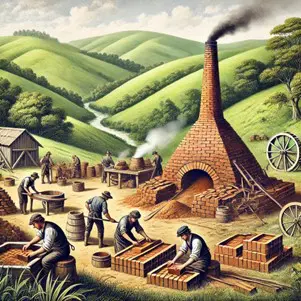
Brick production in New Zealand commenced in the early 1840s, with manufacturing sites established in Auckland, New Plymouth, Wellington, and Nelson. Early bricks were hand-made and fired in clamp kilns, a method involving stacking bricks with firewood between the layers. As towns developed, permanent kilns were constructed, and eventually, every district had its own local kiln.
Regional Developments
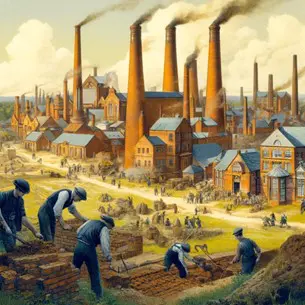
In Auckland, the first recorded attempt to make bricks was in 1840, likely in the last three months of the year, at the corner of Queen and Victoria Streets. By 1910, men were quarrying clay for bricks at the Gardner Brothers and Parker clay pits in New Lynn, highlighting the region’s growing brick industry. In the South Island, Milton became notable for its pottery and brickworks. Between 1873 and 1915, numerous pottery works operated in the Milton area, starting with William White’s short-lived Tokomairiro Steam Pottery Works, reputedly the first industrial kilns in the Southern Hemisphere.
Industrial Expansion
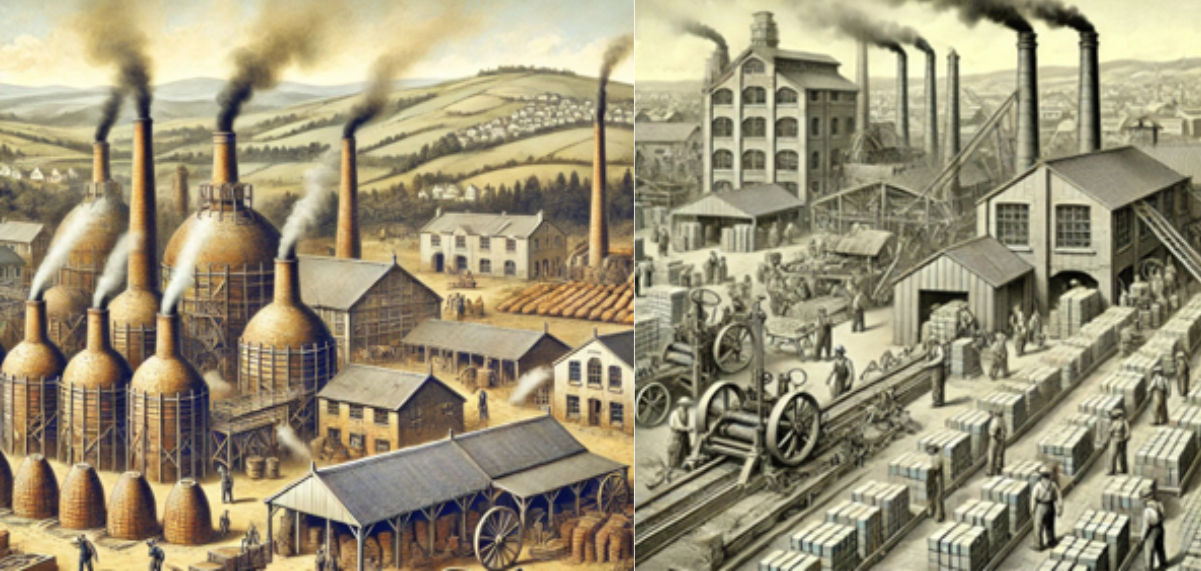
The late 19th and early 20th centuries saw significant growth in New Zealand’s brick and pottery industries. The New Zealand Brick, Tile & Pottery Company operated from works in New Lynn between 1905 and 1929, producing a variety of clay products. Similarly, the Luke Adams Pottery in Christchurch, established in 1881, became renowned for its decorative ceramics and was the longest-operating pottery in New Zealand until its closure in 1965.
Modern Era
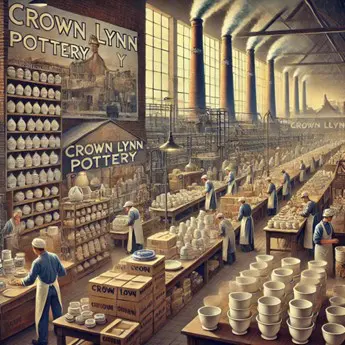
The mid-20th century marked the rise of Crown Lynn, which evolved from earlier brick and ceramics enterprises in New Lynn. During World War II, due to restrictions on the importation of British goods, the Amalgamated Brick and Pottery began mass-producing crockery for the New Zealand market, growing to become one of the largest brick and ceramics companies in the Southern Hemisphere, known for their Crown Lynn pottery range.
Conclusion
From its modest beginnings in the 1840s to the industrial boom of the 20th century, brickmaking has played a pivotal role in New Zealand’s architectural and industrial heritage. The industry’s evolution mirrors the nation’s growth, with bricks remaining a symbol of durability and tradition in New Zealand’s built environment.
Today, Premier Brick is proud to carry the flag for brick manufacturing in New Zealand!
They have been manufacturing bricks in their Tauranga factory since 1984!
With new innovations every month Premier Brick is becoming the go-to option for Architects, builders and homeowners all around New Zealand.
Looking to create stunning outdoor spaces while protecting the environment? Premier Permeable Paving is the eco-conscious choice that brings together beauty and sustainability. Here’s why it’s perfect for environmentally-minded individuals:
1️⃣ Stormwater Management: Premier Permeable Paving reduces stormwater runoff by allowing water to infiltrate the ground naturally. This helps prevent water pollution and reduces the risk of flooding in urban areas.
2️⃣ Groundwater Recharge: By allowing rainwater to be absorbed into the soil, Premier Permeable Paving helps replenish groundwater supplies. It promotes a sustainable water cycle and reduces the strain on municipal water systems.
3️⃣ Reduced Heat Island Effect: Unlike traditional pavements, Premier Permeable Paving helps mitigate the urban heat island effect. It allows rainwater to cool the surface and surrounding area, creating a more comfortable and climate-friendly environment.
4️⃣ Preservation of Natural Features: Premier Permeable Paving minimizes disruption to natural landscapes during installation. It preserves trees, vegetation, and natural drainage patterns, maintaining ecological balance and protecting biodiversity.
5️⃣ Improved Water Quality: Rainwater passing through Premier Permeable Paving is naturally filtered, removing pollutants and sediments. This improves water quality and safeguards local water bodies from contamination.
6️⃣ Sustainable Urban Design: Premier Permeable Paving aligns with sustainable urban design principles. It promotes green infrastructure, enhances aesthetics, and blends harmoniously with nature.
7️⃣ Durable and Long-Lasting: With its ability to withstand heavy loads and frequent use, Premier Permeable Paving ensures durability and longevity, minimizing the need for replacements and reducing waste generation.
8️⃣ Compliance with Regulations: Premier Permeable Paving meets stormwater management regulations in many jurisdictions. By choosing it, you effortlessly navigate compliance while contributing to environmental sustainability.
9️⃣ Eco-Conscious Landscaping: Premier Permeable Paving integrates seamlessly with sustainable landscaping practices, complementing rain gardens and other green infrastructure elements.
Make a Sustainable Choice: Choose Premier Permeable Paving to create beautiful outdoor spaces while reducing your environmental footprint. Join the movement towards a greener and more sustainable future.
DM me for more info!
#PremierPermeablePaving #SustainablePaving #EcoFriendlyDesign #StormwaterManagement #EnvironmentalStewardship #SustainableLandscaping
Are you ready to enhance your home’s street appeal and make a grand entrance? Look no further! I am delighted to present you with 10 compelling reasons why Premier Pavers are the perfect choice for your new driveway:
1️⃣ Unmatched Quality: Premier Pavers are crafted with meticulous attention to detail and made from premium materials, ensuring exceptional quality and durability for your driveway.
2️⃣ Endless Design Possibilities: With a wide range of colours, shapes, and sizes, Premier Pavers offer endless design possibilities. Personalize your driveway to match your home’s style and express your unique taste.
3️⃣ Superior Strength: Premier Pavers are engineered to withstand heavy vehicle traffic and the harshest weather conditions, providing a long-lasting and reliable solution for your driveway.
4️⃣ Enhanced Safety: Premier Pavers offer excellent traction, reducing the risk of slips and falls. Their slip-resistant surface provides added safety for you, your family, and your guests.
5️⃣ Low Maintenance: Say goodbye to constant upkeep! Premier Pavers are low maintenance and easy to clean, saving you time and effort while keeping your driveway looking pristine.
6️⃣ Quick Installation: Premier Pavers are designed for efficient installation, reducing construction time and minimizing disruption to your daily routine.
7️⃣ Eco-Friendly Choice: Made from sustainable materials, Premier Pavers contribute to a greener environment. By choosing Premier Pavers, you make an eco-conscious decision that reduces your carbon footprint.
8️⃣ Increased Property Value: A beautifully paved driveway adds value to your home and creates a positive first impression. With Premier Pavers, you can elevate your property’s street appeal and attract potential buyers.
9️⃣ Cost-Effective Investment: Premier Pavers offer long-term value for your investment. Their durability and minimal maintenance requirements save you money over time, making them a smart financial choice.
10. Exceptional Customer Service: Premier Pavers is committed to providing outstanding customer service. Our knowledgeable team is ready to assist you every step of the way, from selecting the right pavers to ensuring a seamless installation process.
🚧 Don’t settle for an ordinary driveway. Choose Premier Pavers and transform your entrance into a stunning masterpiece that sets your home apart. Contact us today to explore our wide selection of Premier Pavers and begin your journey to a driveway that combines beauty, durability, and value.
#PremierPavers #DrivewayGoals #CurbAppeal #QualityCraftsmanship #SustainableLiving