The history of brick making in New Zealand reflects the nation’s development, resourcefulness, and architectural evolution. Introduced by early European settlers, bricks became a fundamental building material, shaping the country’s construction landscape.
Early Beginnings

Brick production in New Zealand commenced in the early 1840s, with manufacturing sites established in Auckland, New Plymouth, Wellington, and Nelson. Early bricks were hand-made and fired in clamp kilns, a method involving stacking bricks with firewood between the layers. As towns developed, permanent kilns were constructed, and eventually, every district had its own local kiln.
Regional Developments

In Auckland, the first recorded attempt to make bricks was in 1840, likely in the last three months of the year, at the corner of Queen and Victoria Streets. By 1910, men were quarrying clay for bricks at the Gardner Brothers and Parker clay pits in New Lynn, highlighting the region’s growing brick industry. In the South Island, Milton became notable for its pottery and brickworks. Between 1873 and 1915, numerous pottery works operated in the Milton area, starting with William White’s short-lived Tokomairiro Steam Pottery Works, reputedly the first industrial kilns in the Southern Hemisphere.
Industrial Expansion

The late 19th and early 20th centuries saw significant growth in New Zealand’s brick and pottery industries. The New Zealand Brick, Tile & Pottery Company operated from works in New Lynn between 1905 and 1929, producing a variety of clay products. Similarly, the Luke Adams Pottery in Christchurch, established in 1881, became renowned for its decorative ceramics and was the longest-operating pottery in New Zealand until its closure in 1965.
Modern Era
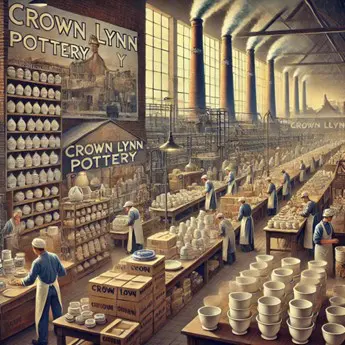
The mid-20th century marked the rise of Crown Lynn, which evolved from earlier brick and ceramics enterprises in New Lynn. During World War II, due to restrictions on the importation of British goods, the Amalgamated Brick and Pottery began mass-producing crockery for the New Zealand market, growing to become one of the largest brick and ceramics companies in the Southern Hemisphere, known for their Crown Lynn pottery range.
Conclusion
From its modest beginnings in the 1840s to the industrial boom of the 20th century, brickmaking has played a pivotal role in New Zealand’s architectural and industrial heritage. The industry’s evolution mirrors the nation’s growth, with bricks remaining a symbol of durability and tradition in New Zealand’s built environment.
Today, Premier Brick is proud to carry the flag for brick manufacturing in New Zealand!
They have been manufacturing bricks in their Tauranga factory since 1984!
With new innovations every month Premier Brick is becoming the go-to option for Architects, builders and homeowners all around New Zealand.
Are you ready to build your dream home? Look no further! I am thrilled to introduce you to Premier Brick, the ultimate choice for those seeking exceptional quality and timeless beauty for their new home!
🏆 Unmatched Quality: Premier Brick stands out as a symbol of excellence. Crafted with meticulous attention to detail and using premium materials, these bricks are designed to surpass industry standards. Choosing Premier Brick ensures that your home is built with the highest level of quality and durability.
🏡 Aesthetic Appeal: Your home should be a reflection of your personal style and taste. Premier Brick offers a stunning array of sizes, colours, textures, and finishes, allowing you to create a captivating façade that leaves a lasting impression. Whether you prefer a classic, contemporary, or rustic look, Premier Brick has the perfect selection to bring your vision to life.
💪 Lasting Strength: Premier Brick is engineered to withstand the test of time. Its robust structure provides unparalleled strength and resilience, ensuring that your home remains solid and secure for generations to come. Experience the peace of mind that comes with knowing your home is built with bricks that can withstand any challenge.
🌍 Sustainable Choice: At Premier Brick, we are committed to environmental stewardship. Our bricks are produced using sustainable practices and eco-friendly materials, reducing the carbon footprint of your new home. By choosing Premier Brick, you make a responsible choice that contributes to a greener and more sustainable future.
👨👩👧👦 Uniting Families: Premier Brick brings families together, creating a warm and inviting atmosphere that fosters lifelong memories. Imagine your loved ones gathering around a fireplace built with Premier Brick, or your children playing in a backyard surrounded by its timeless elegance. Premier Brick turns houses into homes where cherished moments are made.
🔨 Partner with Premier Brick and embark on a journey to create a home that reflects your aspirations and values. Discover the perfect combination of quality, beauty, and sustainability. Contact us today to explore our extensive range of Premier Brick options and take the first step towards building the home of your dreams.
#PremierBrick #DreamHome #QualityCraftsmanship #TimelessBeauty #SustainableLiving
VIDRIADA GALLERY CLICK HERE!
🌍🔝 As someone who is incredibly passionate about design and architecture, I’m constantly in awe of the transformative power of materials in shaping our built environment. One material that has truly captured my imagination is glazed brick. Its unique blend of functionality, aesthetic appeal, and versatility has made it the go-to choice for the world’s best architects when it comes to exterior and interior cladding. Allow me to share with you the compelling reasons behind their choice, and why you too should consider embracing this extraordinary material!
🌟 First and foremost, glazed brick offers an unparalleled visual impact. Its vibrant colours and glossy finish have the ability to breathe life into any design, turning buildings into true works of art. Whether it’s a bold statement or a subtle touch of elegance, glazed brick adds a dynamic dimension to architectural compositions, enhancing their overall aesthetic appeal and making them stand out from the crowd!
🏢💡 However, glazed brick is not just a pretty face. It also boasts exceptional durability and performance. Architects understand that buildings need to withstand the test of time, and glazed brick provides a robust solution. Its protective glaze coating shields it from environmental factors such as moisture, UV radiation, and pollutants, ensuring long-lasting beauty and minimizing maintenance costs. Additionally, its inherent resistance to fire and impact makes it a reliable choice for both interior and exterior applications.
🌿🌍 Sustainability is a pressing concern in today’s world, and glazed brick checks all the right boxes. Made from natural materials, such as clay and sand, it is an environmentally friendly option that contributes to a greener future. With its excellent thermal insulation properties, it reduces energy consumption, promoting energy-efficient designs and reducing carbon footprints. By choosing glazed brick, architects can demonstrate their commitment to sustainable practices and inspire others to follow suit!
✨💼 If you’re an architect looking to take your designs to the next level or a developer seeking to create remarkable spaces, I encourage you to embrace the power of glazed brick. Unleash your creativity and tap into the endless possibilities this material offers. Reach out to me for a consultation or explore the incredible projects where our glazed brick has been masterfully utilized. Together, let’s redefine architectural excellence and make a lasting impact on the world!
📲🌐 Connect with us to learn more about how glazed brick can transform your projects. Let’s embark on a journey where art, functionality, and sustainability intertwine, shaping the future of architecture.
#Architecture #Design #Colour#GlazedBrick #Interior #Exterior #cladding #ArchitecturalExcellence #UnleashYourCreativity
12 Incredibly Creative Ways To Reuse Bricks
Whether you’ve got a handful of bricks or an entire house worth, there is a great DIY project just waiting to put them to use. I’ve found a great collection of 20 incredible DIY projects that use bricks, and in some cases, nothing else. There is everything in here from do it yourself walkways to candles, and so much more.
You know how much I love getting outside during summer. I mean, whether it’s gardening and learning new ways of growing potatoes or creating a remarkable backyard project, I adore bringing you landscaping projects, and this one may possibly be one of my favorites.
1. Build a Brick Path
Those leftover bricks are perfect for creating a lovely informal walkway or path to your door. Or, use them to create a walking path through your flower garden, or anywhere you want to add a bit of rustic décor. The possibilities are endless, and making a walkway is much easier than you may think.
2. Create Planters/Candleholders
This may be one of my favorite garden decorating ideas. By utilizing the holes that come in bricks, you can create these gorgeous planter/candleholders. Use the candle area to burn citronella candles during the summer months and cut down on your insect problem. Add succulents at the other end to give your entire garden a luxurious and elegant feel.
3. Make a Garden Bench
Creating a beautiful garden bench from those leftover bricks is so much easier than you may think. I love the thought of making a circular bench around a fire pit, or you could just make a sectional type bench and have room for everyone. If you have an inground swimming pool, consider crafting a bench around one end.
4. Make Brick Edging for Garden Beds
This one is a bit more complex and may take a little time, depending on the size of your garden. You will need to dig down a bit to place the bricks but just imagine how great it will look when you’re finished. This edging idea is gorgeous and won’t cost much at all if you already have a few bricks on hand.
5. Build a Brick Waterfall
Okay, so maybe this one is my favorite. Can you imagine the beauty that this DIY brick waterfall will bring to your home? And you’ll be absolutely amazed at how easy it can be to build. You could also do this near a small pond or put it by the pool. I love it right there on the patio, though.
6. Build a Birdbath
Use those leftover bricks to create a stunning birdbath stand in your yard or garden. This one is really easy, too. You just stack the bricks on top of each other, in whatever height or width you want, and make sure that you “glue” them together. This is a great place to add a large bowl for a birdbath.
7. Make Colorful Yard Art
Get the kids in on this project. I guarantee they’ll love it! Let the kids help you paint your bricks, and then use them to create a walkway in your garden, or from the driveway to the house. You can use a combination of colors, make it rainbow like, or stick with colors that best complement your house. Add some motivational quotes or words and you’re all set.
8. Edge Your Walkway
This is a bit different than the edging idea above. This one mixes gravel and creates a stunning design that is sure to raise your property value and impress the neighbors. You just mark off the walking path, use your bricks in a staggered arrangement, and then fill in the middle with pea gravel. This also helps to hold your gravel in place and keep it from spilling into your flower beds and lawn.
9. Build an Herb Spiral
This DIY brick herb spiral is a great project for smaller yards, but you can use it in larger areas as well. The spiral look is fascinating, and it gives you so much more space to plant all of the herbs that you want. If you aren’t really into growing your own herbs, you can also use this as a flower bed for flowers that don’t need to root too deeply.
10. Build a Brick Fire Pit
Put those recycled bricks to good use and create a fire pit where you can relax the night away. This project doesn’t require anything but bricks, and it’s a much easier project than you may think.
11. Make a Tree Ring
Stack those bricks up around the base of your favorite tree, and you’ve put them to good use and decorated your lawn at the same time. You can then fill in the area between the bricks and the tree with potting soil and add flowers or succulents to really create a great look. Do this with all of your larger trees.
12. Create Raised Planters
You don’t need anything special to create these great DIY raised planters. Just stack the bricks, and place your planters inside. You can do these in any size or shape, and what’s great is that you don’t really “glue” them together, so you can disassemble them and reassemble as needed.
Article From (diyncrafts.com)
There is a variety of reasons to choose brick. From achieving a desired aesthetic to benefiting from its solid return on investment, learn why brick is a great option for your home’s exterior and more.
Timeless Style
Brick’s incredible longevity, versatility, and permanent color, brick looks just as great on historic colonial structures as it does on sleek, contemporary office buildings.
Its timeless beauty, range of styles and color variety make brick a hard-to-beat choice for cladding, paving and even interior applications like fireplaces, backsplashes and exposed brick walls.
Unmatched Durability
When it comes to resilience, “The Three Little Pigs” were onto something with brick. It provides superior shelter that other cladding materials can’t match in terms of durability, fire protection, protection from wind-borne debris and more. Other products—like manufactured stone or fiber cement—may talk a big game, but no material holds up like brick in severe weather events.
Not only does brick offer protection from wind and fire but it also minimizes the threat of mold growth, wood rot and infestation, which are important long-term considerations.
Lasting Affordability
No other material provides as much aesthetic, protective and long-lasting value as genuine clay brick. Brick costs about half as much as manufactured stone and just a third more than fiber cement before considering fiber cement’s lifetime maintenance costs. See for yourself how brick compares to other materials.
Article from (hgtv.com)
Cleaning exterior brickwork such as walls, paths and fences on a regular basis not only keeps the brick looking fresh and new, but also increases its lifespan. Moss, mildew and layers of dirt trap moisture that degrades the surface of the brick. Removing grime will preserve your brickwork for years to come.
Condition is Everything
Before cleaning, inspect the brickwork for any damage. Cracks, chips and missing chunks of mortar can allow water to seep past the surface, causing permanent damage. Make any necessary repairs before cleaning the bricks so that water and detergent don’t make the problem worse.
Test It Out
If you plan to use any detergent on the bricks, test an inconspicuous area prior to cleaning. Spray or apply the cleaner on the brick, scrub as you would during cleaning and then rinse. Check the brick after it dries to make sure the detergent has not caused any discoloring.
Spray It Away
Use a pressure washer to remove surface dirt and grime. Take care not to damage the masonry by using the highest pressure or holding the sprayer too close to the bricks. Keep the pressure below 3000 psi. In most cases, pressure washing will be enough to clean the brick. If it is stained or heavily soiled and the sprayer does not leave the brick clean, you may need to use a detergent.
Do-It-Yourself Detergent
Use a commercial brick cleaning solution to remove stains and grime, or make your own. For grime, mix equal parts laundry detergent and water. For stains, especially those caused by moss, mix one part bleach with 10 parts water. Or, create a paste that you can spread on the brick by mixing one part salt and one part dishwashing liquid and then adding just enough water to create a thick paste. Start at the bottom of the wall and work your way up, letting the detergent stand for five to 10 minutes before scrubbing with a brush and rinsing.
Blast It Off
As a last resort, you can use abrasive blasting to remove stains and dirt. This process can damage bricks and mortar if not done properly. It is not appropriate for historic or soft bricks. This type of work is best done by a professional. If you decide to do it yourself, test a small area first to make sure the abrasive does not pit or damage the brick. Abrasive blasting options include sand, nut shells, cherry or peach pits and glass beads.
Brick is built to last, but it does need care and cleaning. Whether you’re cleaning the bricks on the exterior wall of your house or the bricks around your fireplace, these simple tips will help you learn how to clean brick.
Interior Brick
Brick can be used on floors, fireplaces and interior walls. The first step to cleaning it is removing surface dirt or, from a fireplace, soot. Use a brush or vacuum to remove loose dirt before wet cleaning.
You can use natural cleaners that you mix up yourself. They’re more affordable than commercially prepared cleaners and are safer. Natural cleaner one: Make a thin paste out of 2 tablespoons of cream of tartar and a little bit of water. Apply to brick and let sit for 10 minutes. Rinse with warm water and wipe off with a soft cloth. This method is best for cleaning small areas, like the brick trim around a fireplace. For larger areas like a floor or wall, go with natural cleaner two, vinegar. Mix equal parts vinegar and water and pour into a spray bottle. Spray on the bricks and let is sit for a few minutes. Use a sponge mop to clean the bricks. If the bricks are very dirty, use a nylon-bristled scrub brush and put some elbow grease into the scrubbing. Natural cleaner three is baking soda and dish detergent. Make a thin paste by mixing 3 tablespoons of dish soap to ½ cup baking soda. Spread it on brick, let sit for 10 minutes and then scrub off with a brush. Rinse with warm water.
Another cleaning option for larger areas of brick is mixing trisodium phosphate, a powdery cleaning compound available at home improvement stores, with water and scouring the brick with a scrub brush. TSP is hazardous, so wear heavy duty rubber gloves and safety goggles.
You can use all of these methods on the interior and exterior of a fireplace, which gets sooty after a winter of fires. Knowing how to clean a brick fireplace keeps it working safely and looking great.
Exterior Bricks
If a side of your home doesn’t get much sunlight, moss, mold or mildew can grow on the bricks. Mix a cup of bleach into a gallon of water and apply to the wall with a sponge. Use a natural or nylon-bristle scrub brush to remove the growth. Don’t use a wire brush because it leave bits of metal behind that will rust and stain the bricks. Knowing how to clean brick will keep your home lovely, longer.
Choosing brick is a major consideration for a house. It must fit with the style and décor because brick is a durable building material and once installed will last for a long time. All brick is made of clay, fired or baked into sturdy building blocks, but there are many options in color, size and texture. Finding the right brick for a house is mainly a matter of design, matching the brick to the type of house and the personal preference of the owner or builder.
Exterior Grades
Modern bricks are graded for exterior use. SW is the top grade, made to withstand below-freezing temperatures in a moist climate, such as much of the northern United States. MW is a second exterior grade, made to withstand freezing temperatures but in a drier and milder climate, like most of the southern United States.
Third Grade
A third brick grade, NW, is primarily for indoor use, although it can be used outdoors as “backup” brick, laid behind a layer or facing of more durable brick. NW may be used as facing brick outdoors in warmer and drier regions, such as locales that rarely get freezes or where rainfall is less than 15 inches a year.
Antique or Used
Another type frequently used on exteriors is antique or used brick, reclaimed from old buildings that have been torn down and cleaned of mortar. This style does not have modern exterior ratings, but usually is presumed to be acceptable if it lasted outdoors for 50 or more years. Used brick usually has less sharp edges than new brick and a more textured surface.
Brick Colors
Most homebuilding brick today is façade or facing brick. Common brick, as the name suggests, is the most common form, typically red brick. Brick colors can vary, however, from almost black to almost white, through a range of browns, reds and yellows. The color depends on the clay and other components used to make the brick. Colors also can be intermixed for more variety.
Brick Faces
Standard exterior or face bricks have smooth surfaces, but there are many variations. Some bricks are finished on one side with “struck” faces, inscribed with irregular lines. Others are “sand struck,” molded against sand to produce a rough texture. Another style is “glazed,” with a ceramic layer on one side.
Structural Bricks
Most bricks are solid rectangles, but “structural” or building bricks are made with two or three holes in the wide face. This reduces the weight of a brick wall without any loss of structural support. The holes also create a larger mortar connection and can be used in some situations for reinforcing with steel bars. Exterior structural bricks are most commonly used on freestanding walls and not as facing on a house.
Sizes
Standard or common bricks are nominally 2 by 4 by 8 inches, but specific dimensions will vary by manufacturer and the allowance for 3/8- or 1/2-inch mortar joints. Other sizes include king, which is thicker and longer; Roman, which is thinner and longer; and economy, which is square and longer. It’s best to look at samples and measure the actual sizes before making a selection.Article From(homeguides.sfgate.com By Bob Haring)
1. Aesthetic Appeal
Brick possesses natural and infinite pleasant colors of burnt clays. Its color formation is achieved through a complicated physio-chemical reaction during the firing process. In contrast to the color of stained body, brick color is permanent and will not fade during weathering process. Different clay compositions, firing temperatures, or kiln atmosphere can lead to different colors. By proper control of these factors, bricks can be made to exhibit endless variety of natural and attractive colors. Bricks’ natural colors combined with the extreme flexibility in applications produce aesthetic results which are always personal and everlasting.
2. Thermal & Acoustic Insulation
Thermal mass reaction through brick wallThermal Insulation: Brick generally exhibits better thermal insulation property than other building materials like concrete. Perforation can improve the thermal insulation property of bricks to some extent. Besides, the Thermal Mass and moisture that the brick has absorbed can help to keep the temperature inside the house relatively constant. In orther words, brick absorbs and releases heat slowly and thus keep the house cool during day-time and warm during night-time.
3. Zero Maintenance Cost
Clay bricks do not require maintenance. When you build a home, you might save a few hundred dollars by using a substitute wall material. However, major exterior maintenance such as painting can cost as much as several thousand dolars, depending on your home size. Clay brick may cost a little bit more cost initially, but the very first time that you paint, you might well spend more than the additional cost of the brick. In addition, you do not need to worry the clay brick from rotting, denting, warping, rusting, spliting, peeling, fading, and termites. As your home gets older, it naturally becomes more beautiful.
4. Fire Resistance
The fire resistance of a building material refers to the length of time a walling element is about to resist a fully developed fire. In every case, clay brick walls obtain maximum fire ratings. To the owner of a clay brick building, this means peace of mind and substantial savings over time on insurance premiums.
5. Flexible in Application
The high compressive strength of fired clay bricks has been exploited for millennia to build structures ranging from single-storey huts to massive public buildings and enormous bridges and viaducts. In particular, it can be used for load-bearing structures which greatly simplify the construction process so as to save materials, time, and labor.
Besides, brick can be made into convenient shape and size to facilitate the construction work.
Prized for its classical appeal, durability, and low maintenance, brick is among the most desired types of exterior siding. While it’s traditionally found on Colonial, Greek Revival, and Tudor Style Homes, brick is just as attractive on a ranch or an English cottage. If you’re considering brick siding for a newly constructed home or an existing one—or if you’re just a fan of these striking structures—keep reading. We’ll detail the benefits of brick homes and other considerations so you can make an informed choice.
FROM ANTIQUITY TO MODERN TIMES
The earliest known brick structures, dating back to 7000 BC in Turkey, featured crudely crafted blocks of clay left to dry in the hot sun until they hardened. Rudimentary by today’s standards, ancient bricks were valued for constructing strong walls, floors, and bridges. Sun-baked bricks remained the norm until ancient Romans, around 3000 BC, began firing clay bricks in earthen kilns, which greatly increased their structural integrity. Today’s bricks are created through an extrusion process, whereby low-moisture clay is forced into columnar molds, allowed to set, and then cut into smaller sections to form individual blocks. The bricks are then fired at a high temperature, resulting in strong bricks of uniform size.
Houses with thick brick walls were common in Europe from the 14th Century up until a few hundred years ago, when they were gradually replaced with wood-framed walls. Because transporting bricks over long distances was cost-prohibitive, solid brick wall construction was mainly limited to regions were bricks were manufactured and easily accessible.
Early brick wall construction in Colonial America often featured double brick walls, stacked a few inches apart, but parallel to each other, and then the gap between was filled with small rocks and rubble to create a thick wall that was strong enough to support a second story or overhead roof.
As wood-framing techniques advanced in the 1800s, and mass production of wooden timbers and studs began, solid brick wall construction declined. The advent of universal building codes further decreased the use of bricks in solid wall construction, because they were more likely to crumble in an earthquake-prone area.
And so bricks are now reserved for creating a durable and beautiful exterior, rather than a weight-bearing wall. Today’s houses are constructed with wood or metal studs, with brick installed on the outside as siding.
BRICK SIDING BENEFITS
While brick is no longer used for structural support, it offers a home more than a pretty face!
Brick homes are fire-resistant and will often have lower homeowner’s insurance premiums.
Brick is unaffected by moisture—it naturally absorbs and then releases moisture without damage.
Clay is one of the most abundant natural materials on the planet, making brick environmentally friendly.
Strong and durable, bricks won’t dent or break like vinyl or aluminum can.
Brick helps insulate a home, resulting in more consistent indoor temperatures. Rooms stay warmer in winter and cooler in summer, keeping heating and cooling bills down.
Sound transfer is reduced through brick wall construction; residents are less likely to be bothered by traffic and other outdoor noises.
Brick increases property value. In addition to being a selling point, installing brick siding on your home translates into an approximate 6 percent increase in its value.
COLOR AND DESIGN
Bricks come in a variety of colors, ranging all the way from white to black and including shades of red, orange, tan, gray, rust, brown, and similar earthen hues. Multicolored bricks, featuring two or more complementary or contrasting colors, are also available. The texture of the brick face (the side that faces outward) can be rough, smooth, or somewhere in between. While classic red brick is always in style, in recent years, gray bricks and lime-washed bricks that give a house a vintage whitewashed look are popping up in new housing developments. Homeowners can further customize the look by choosing from a handful of mortar colors, ranging from white to deep gray.
ARCHITECTURAL DETAILS
The standard residential bricks used for siding, known as “modular” or “face” bricks, are uniform in size; 3-5/8” wide, 7-5/8” long, and 2-1/4” high. Allowing for 3/8” mortar joints, that equals seven bricks per square foot, installed. Unlike the bricks used for paving, modular bricks are not solid; they feature three vertical holes that allow the mortar to seep in and create a stronger bond.
Siding assembly for brick homes typically involves installing a membrane, such as vapor-resistant house wrap, over the home’s sheathing (the plywood sheets that cover the wall studs) and then leaving a narrow air space between the membrane and the bricks. During construction, the brick siding is secured with metal anchors, known as “brick ties,” to the home’s framing. Mortar is used to create uniform joints between the bricks, and small holes, known as “weep holes,” are positioned along the bottom course of bricks to allow any water that happens to get behind the bricks to drain out naturally. Laying bricks requires skill and precision and is a job best left to the pros.